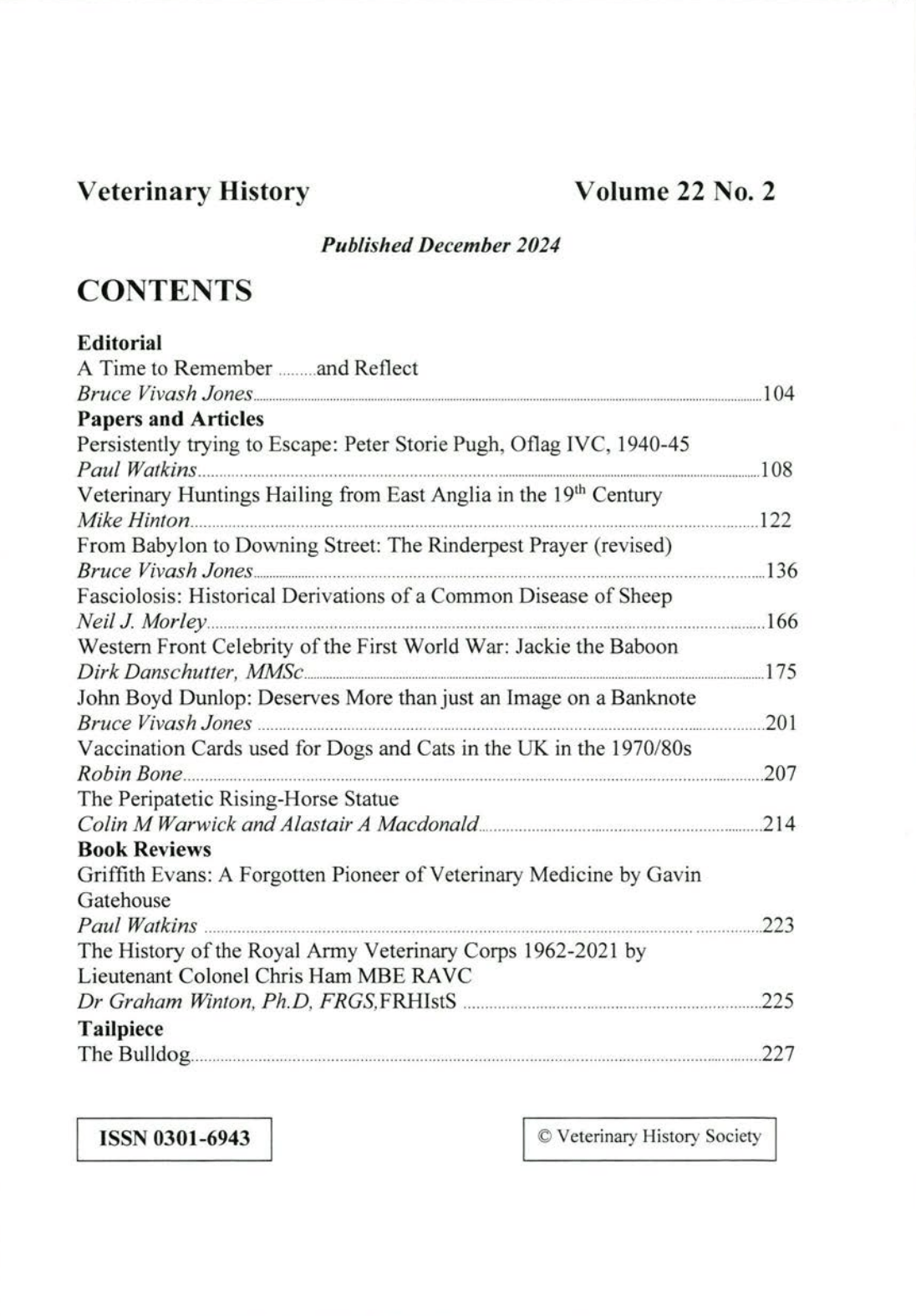
Persistently Trying to Escape. Peter Storie-Pugh, Oflag IVC, 1940-45
The second part of the war record of Peter Storie-Pugh. He was sent to Colditz Castle in 1940, the second group of prisoners to be incarcerated there. Three categories of prisoners of war were sent to Colditz: persistent escapees, prominent individuals or related to allied leaders and individuals whose attitude to the Germans was regarded as dangerous or bloody-minded.
Peter Storie-Pugh made several attempts to escape, but none were successful. Only seven British prisoners manged to get back to Britain. Storie-Pugh was able to complete his Cambridge degree while in Colditz and sat his finals with other prisoners as invigilators. He sent coded letters to his father to provide information from recently arrived prisoners and also to request help from the War Office in escape plans. There are accounts of several escape attempts. Storie-Pugh was involved in digging twelve tunnels. Colditz was liberated on 16th April 1945, without a shot being fired. Storie-Pugh’s first action was to have a pint of beer. He was awarded an MBE.
Paul Watkins
Veterinary Huntings Hailing from East Anglia in the 19th Century
An account of two families with the name Hunting – from Yoxford, Suffolk and from Loddon. Norfolk. The Suffolk family produced five veterinary surgeons, including William Hunting, the founder of the Veterinary Record. They worked mainly in Durham, Nottinghamshire and London. The Norfolk family produced two veterinary surgeons and two unqualified vets who were allowed to register as ‘veterinary practitioners’ under the 1881 Veterinary Surgeons Act.
Mike Hinton
From Babylon to Downing Street: The Rinderpest Prayer
The paper describes in detail how a Babylonian legend about disease and mythical gods became a part of Christian theology for more than 2000 years. The diagnosis of rinderpest in Great Britain for the first time in March 1866 resulted in significant scientific research and the government subsequently rejecting the Church’s proposal of prayer and national humiliation. At this time there was also the creation of a state-run veterinary service.
Bruce Vivash Jones
Fasciolosis: Historical Derivations of a Common Disease of Sheep
Fasciolosis, previously known as Fascioliasis is a parasitic condition of sheep caused by the liver fluke, Fasciola hepatica (Distoma hepaticum). There have been a large number of epizootics, resulting in millions of fatalities, especially in 1879-81. It has been recognised throughout Europe and the Middle East ands some parts of Africa. The author gives lists of alternative names used in the UK and in Europe. The commonest ones used in the UK were ‘Liver Rot’ or ‘The Rot’. In 1985, it was decided the name, to be used internationally, should be Fasciolosis.
Neil J Morley
Western Front Celebrity of First World War
Jackie was a grey-foot chacma baboon, who became a famous mascot of the SOUT African Infantry Brigade during the First World War. She was found as an abandoned infant by Albert Marr in 1913 in the Transvaal. When Marr enlisted in 1915, Jackie was adopted as the Regimental mascot. There was some confusion about Jackie’s gender and it was initially assumed he was male, but it was later confirmed to be female. It is possible there was some attempt to conceal the gender as females were not allowed in the army. Albert Marr and Jackie shared the horrors of the Western Front. They were probably involved with the dreadful battle of Delville Wood in July 1916. Marr had been shot in the shoulder in Egypt as few months earlier, and Jackie licked his wounds to keep them clean. Jackie was seriously wounded at the Battle of Kemmel ridge in April 1918 and ended up losing the lower part of one leg. The complicated narrative and confusion over the injuries and the surgery are given here. Captain Robert Noel Woddsend wrote an account of his involvement with the veterinary care of Jackie. Jackie was probably also injured at Passchendaele in 1917. After the War Jackie and Marr spent some time in London and Jackie had his photograph taken, which was used for war funds. Jackie died in South Africa in the 1920s (exact date unclear), possibly related to infection in the stump of his amputated leg.
Dirk Danschutter
John Boyd Dunlop: Deserves More Than Just an Image on a Banknote
A short biography of John Boyd Dunlop, a veterinary surgeon and famous for his development of the rubber pneumatic tyre. He was born in Ayrshire in 1840 and qualified as MRCVS in 1867. He worked for eight years in Edinburgh and then moved to Northen Island, initially to Downpatrick but later to Belfast, where his practice became the largest in Northen Ireland. He retired to Dublin and he died in 1921. The story of his development of the pneumatic tyre to make his son’s cycling more comfortable on the cobbled streets of Belfast is given here. His patent was acquired in 1888. He set up a company to manufacture the tyres and this business was moved to Dublin. Dunlop sold his interest in the business, when he retired in 1895, missing out on a fortune when the company was sold a few years later. Dunlop is featured on Northern Ireland banknotes, issued in 1988 and 2004.
Bruce Vivash Jones
Vaccination Cards Used for Dogs and Cats in the UK in the 1970/80s
An illustrated article showing twenty-one illustrations of canine and feline vaccination cards used in the UK in the 1970s and 1980s before the format was standardised in c1985. Every Pharmaceutical company produced their own vaccination cards. Also illustrated are some examples of the reminder cards and record cards supplied with the cards, to help facilitate a booster reminder system. An unusual card, produced for the vaccination of dogs using a feline vaccine during the Parvovirus outbreak in the late 1970s.
Robin D Bone
The Peripatetic Rising – Horse Statue
A statue of a horse, in the act of rising, was carved in 18ss by A Wallace and was positioned at the roof level of the Clyde Street of William Dick’s veterinary college in Edinburgh. It was moved in 1916 to the new college buildings in Summerhall and positioned on top of an arch. It was moved again in 1971 to a ‘temporary’ home on the roof of the small animal clinic. It was moved to the field station at Eater Bush in 2003, but it had suffered a lot of wear and tear. It was restored in 2019 and is now displayed on a plinth.
Colin M Warwick and Alastair A Macdonald
Please note
Buy now